Once dismissed as a teenage distraction or a hobby of the antisocial, gaming has matured into a cultural, social, and economic force. Games are quietly restructuring the way we interact, build relationships, and conduct business in the digital age. What was once the province of joystick-wielding youth in basements is now a fertile arena for career innovation, brand storytelling, and collective experience. Gaming, in 2025, isn’t just play. It’s infrastructure.
The signs are everywhere if you know where to look.
In just one week, two notable digital invitations appeared in my inbox: a token hunt hosted in the pixelated corridors of Gather Town, and an announcement about Lamborghini’s new virtual collection inside Wilder World, a decentralized metaverse platform. These aren’t fringe experiments. They are the leading edge of a broader transformation: a migration of cultural and commercial life into immersive digital environments.
While the buzzword “metaverse” has perhaps lost its shine amid shifting tech narratives and waning media hype, the underlying reality is far from fading. Quite the opposite. As attention spans contract under the weight of infinite scrolling, immersive spaces offer something rare: attention that lingers.
Virtual environments don’t just display content; they are the content. People remember 80% of what they experience, compared to only 20% of what they read. A virtual world invites you in, asks you to act, to co-create, to be there. In a world increasingly mediated by screens, this type of presence is radical.
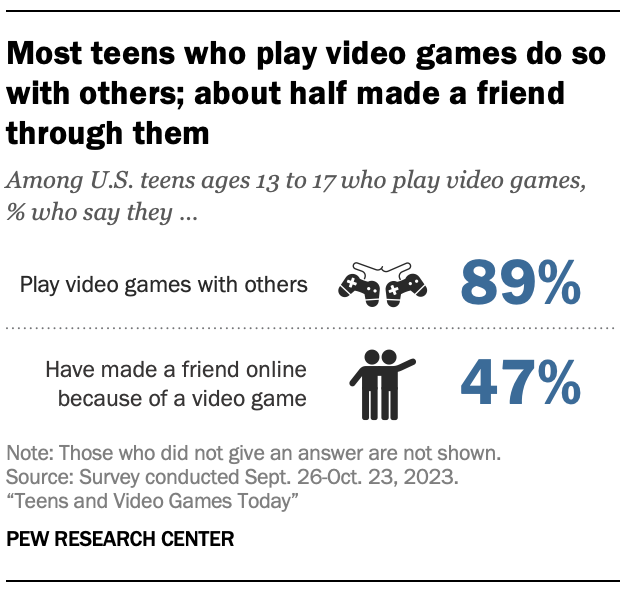
It’s no coincidence that 85% of US teens report playing video games, with nearly a quarter using VR headsets. This is not idle amusement; it’s early cultural conditioning for how the next generation will connect, create, and consume. As brands chase relevance in Gen Z’s fragmented attention landscape, they are learning to follow the players, to TikTok shops, to gamified digital quests, to immersive storytelling campaigns set in mythical forests or futuristic marketplaces.
The best marketers are experimenting with this trend. Virtual spaces are a creative playground for those who want to blend AI, game design, and storytelling into something emotionally resonant. Imagine launching a product through a journey guided by a virtual spirit in an enchanted landscape. Or hosting a live wellness ritual beside a digital river that reacts to participants’ biometric feedback. This isn’t fantasy; it’s just lightly distributed.
And as PEW research suggests, these spaces are socially meaningful. A majority of young gamers say that playing has helped their friendships, their teamwork, even their mental health. This is not just a hobby. It’s scaffolding for modern identity.
Gaming today is where friendships are born, communities take root, and ideas spread, but in an ecosystem. And that makes it fertile ground for a new kind of career path, one that blends creative direction, psychological insight, and technological fluency.
For professionals there’s a profound opportunity here. Immersive campaigns don’t just advertise; they evoke. They allow brands to inhabit symbolic space alongside their audience, co-creating narratives that linger long after the headset comes off. This is emotional loyalty, not algorithmic reach.
Crucially, there’s still a first-mover advantage. In many industries, immersive brand experiences are more whispered rumor than mainstream strategy. Those who begin building now will be the architects.
So, why pursue a career in gaming, in immersive design, in virtual storytelling?
Because it’s not just where the next generation plays, it’s where they live. And as our online lives become more embodied, emotional, and experiential, those who can craft compelling digital realities will become the cultural narrators of our time.
This isn’t a side quest. It’s the main storyline.