Recently we wrote a piece about 7 ways to practive organizational metamorphosis which received a few comments as seasonal role rotation may appear as a viable option in the future given all of the changes that are afoot.
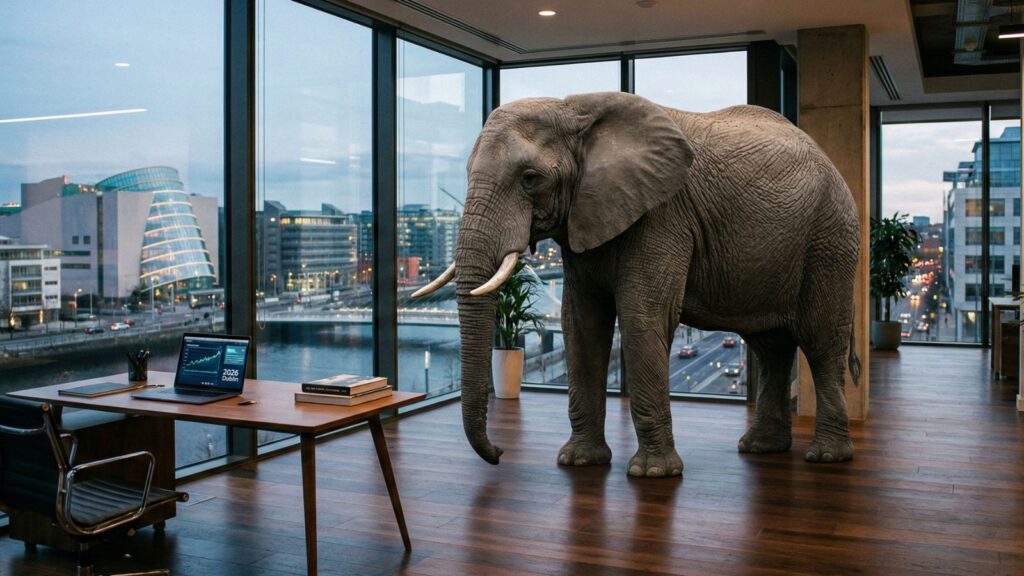
To fully understand the disruption that AI is causing to our traditiaonl notion of working at companies we need to break it down section by section. Today, let’s focus on the elephant in the room, which is that when workers are capable of managing themselves or having AI help with maangement structures what is the function of the Senior Management role?
In 2026, the traditional corporate landscape is witnessing a seismic shift driven by the rise of AI agents and a growing backlash against archaic productivity metrics. This phenomenon, termed Digital Sovereignty and fueled by the concept of Conscious Unbossing, challenges long-standing notions of workplace hierarchy and management.
The Rise of ‘Conscious Unbossing’
A growing number of employees are demanding greater autonomy and flexibility in their work arrangements, a trend labeled Conscious Unbossing. This movement rejects traditional top-down management structures, with workers seeking a value-only approach where performance is measured solely by results, rather than time spent at a desk or monitoring Slack lights.
This desire for self-governance stems from a deep-seated frustration with the limitations of the traditional 9-to-5 model and the increasing sophistication of AI tools. With AI agents capable of automating many routine tasks and even providing high-level analytical insights, the need for constant human supervision is diminishing.
The Death of the Badge-Swipe
Hand-in-hand with Conscious Unbossing is the decline of the traditional office, symbolized by the death of the badge-swipe. Remote and hybrid work arrangements have become the norm, and employees are increasingly resisting demands to return to physical offices.
This resistance is driven not just by a preference for flexible working conditions but also by a recognition that physical presence is often a poor indicator of productivity. The era of presence equity, where visibility was equate to performance, is giving way to a new era of outcome equity, where value is determined by tangible results.
The Future of Management
The rise of AI agents and the demand for greater worker autonomy raise fundamental questions about the future of management. If AI can perform many management functions, and workers are increasingly capable of managing themselves, what is the role of senior management?
This is the elephant in the room that many organizations are hesitant to address. The potential redundancy of layers of middle and senior management pose significant challenges to traditional corporate structures.
Building a ‘Trust-First’ Culture
To navigate this changing landscape, organizations must move beyond monitoring and control and embrace a “trust-first” culture. This involves using AI to track impact rather than activity, providing workers with the autonomy and support they need to succeed, and fostering a sense of shared purpose and responsibility.
The era of surveillance and micro-management is ending. The future of work belongs to organizations that can harness the power of AI to empower their workforce, foster innovation, and achieve sustainable success in an increasingly complex and dynamic world.
This article is merely a brief overview of the complex issues surrounding the rise of AI agents and the evolving nature of work. The full implications of these trends are yet to be fully understood, but it is clear that they will have a profound impact on the future of work and society as a whole.
No time, no worries – Save for Later