Have you ever wondered if the giants of history were just lucky, or if they saw something the rest of us missed? When we look at the sun-bleached stones of an Anatolian caravanserai and then at a lines of code on a GitHub repository, it’s easy to think they belong to different worlds. But look closer.
Was it fate that positioned Turkey as the ultimate bridge between East and West? Or was it a calculated masterclass in building the roads of global commerce?
As we navigate 2026, the parallels between the Silk Road, the Turkish cotton boom, and the explosion of stablecoins are a roadmap for who wins the next century.
The Middleman Reimagined: From Caravanserais to Stripe
The Seljuks and Ottomans didn’t just wait for traders to show up; they built the world’s first high-speed internet… made of stone. The Caravanserai was a service-level agreement (SLA) in physical form. It promised security, food, and a place to trade.
Today, Stripe is our modern-day Caravanserai. Stripe doesn’t care what you are selling (the silk). They care that you have a safe, frictionless place to process the payment (the inn).
Just as the Ottomans realized that providing the infrastructure was more profitable than owning the cargo, Stripe has become the middleman that everyone wants to pay because they make the journey possible.
The Vertical Factory of Value
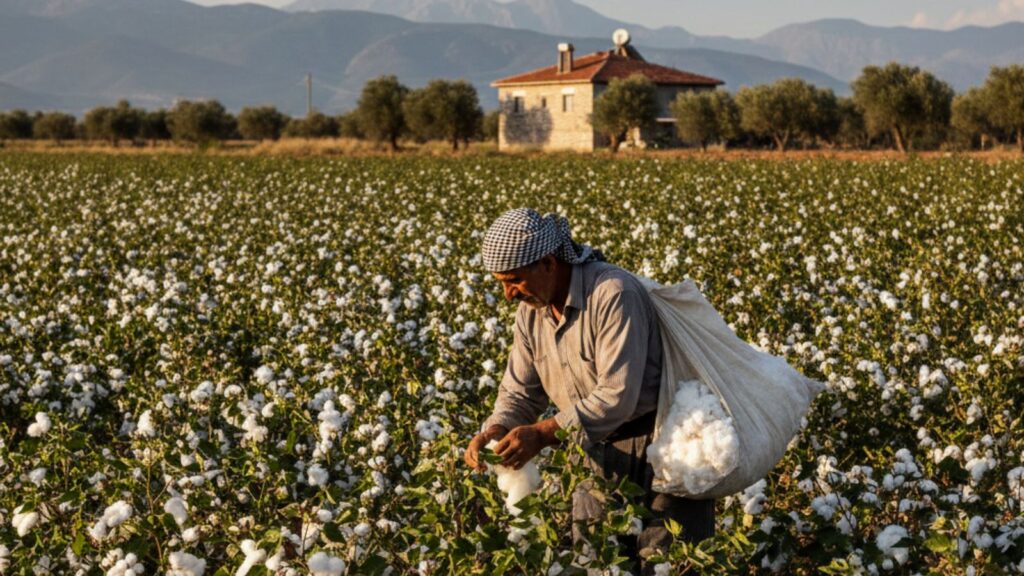
Think about the Turkish cotton industry. It didn’t just grow plants; it built a vertical empire. From the GMO-free seeds in Çukurova to the high-fashion runways of Milan, Turkey owns the whole stack. This is exactly how Ethereum functions in the world of stablecoins.
- The Soil: Ethereum is the GMO-free soil, a transparent, decentralized base layer.
- The Factory: Smart contracts are the looms, spinning raw code into complex financial products.
- The Brand: When you use a stablecoin on Ethereum, you’re buying into a brand of security and decentralization that cheaper, centralized chains can’t replicate.
Who Owns the Future?
Was it Fate?
Not entirely. Geography gave Turkey the opportunity, but the infrastructure gave them the power. In the digital world, geography is replaced by network effects. It wasn’t fate that made Ethereum the home of stablecoins; it was the fact that they built the most robust roads first.
Who will be the traders of the future?
The merchants are no longer just people on camels; they are AI agents and automated protocols. In 2026, a smart contract in London can buy Turkish textiles using a USD-pegged stablecoin, settled on a decentralized ledger, without a single human bank manager picking up a phone. The traders of the future are those who can navigate these digital seas without friction.
Who will build the roads?
The new Road Builders are the developers at places like Stripe and the core researchers of Ethereum. They aren’t laying bricks; they are writing the protocols that ensure value doesn’t get blocked by the high taxes or slow speeds of the old world.
Legacy vs. Liquid
| Era | The Road | The Gatekeeper | The Innovation |
| 1300s | The Silk Road | Ottoman Empire | Caravanserai (Security) |
| 1990s | Physical Textiles | Industrial Parks | Vertical Integration (Speed) |
| 2026 | Stablecoins | Ethereum / Stripe | Instant Settlement (Liquidity) |
The Warning
Stay in the mix and keep learning. History’s loudest warning is the Age of Discovery. When the land routes became too expensive, the world learned to sail. Today, if traditional banks (the “land routes”) stay too slow and expensive, stablecoins and decentralized rails become the “new sea route.”
The world will always find a way to move value. The only question is: Are you building the bridge, or are you the one being sailed around?